Buy wichtel.eu ?
We are moving the project
wichtel.eu .
Are you interested in purchasing the domain
wichtel.eu ?
domain@kv-gmbh.de · 0541-91531010
Buy wichtel.eu ?
How is the IUPAC name determined?
The IUPAC name of a compound is determined by following a set of rules established by the International Union of Pure and Applied Chemistry (IUPAC). These rules consider the structure and composition of the compound, and prioritize certain functional groups and substituents to determine the root name of the compound. The name is then modified with prefixes, suffixes, and numerical locants to indicate the specific arrangement and bonding of atoms within the compound. The goal of the IUPAC naming system is to provide a standardized and systematic way of naming chemical compounds to ensure clarity and consistency in communication within the scientific community. **
Do you know the IUPAC name?
Yes, IUPAC (International Union of Pure and Applied Chemistry) names are systematic names given to chemical compounds based on a set of rules established by the IUPAC. These names are used to uniquely identify and describe the structure of a compound, regardless of language or region. IUPAC names are important in the field of chemistry as they provide a standardized way to communicate about chemical compounds. **
Similar search terms for IUPAC
Top-Angebote
Products related to IUPAC:
-
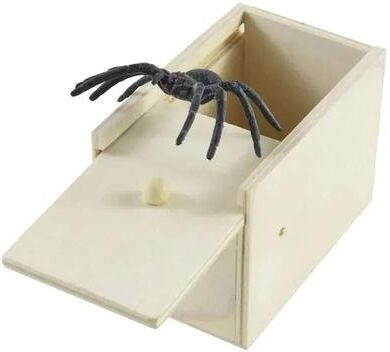
Uplift Picks Realistic Spider Surprise Box For Halloween Pranks Parties And Gag Gifts Realistic Spider Surprise Box For Halloween Pranks Parties And Gag GiftsTurn a curious moment into instant laughter with this spider prank box. Slide the wooden lid open and a lifelike spider suddenly moves toward the user, creating a harmless jump scare without batteries. This compact wooden prank toy is made for prank...49,99 $*Shipping: 0,00 $Secure redirect to the provider
-
Perfect Picks Market Potato Chip Snake Magic Trick Toy Gag Gift & Party Prank Surprise Potato Chip Snake Magic Trick Toy Gag Gift & Party Prank SurpriseSurprise and delight your friends with the ultimate prank! The Potato Chip Snake Magic Trick Toy pops out of a simple can, instantly transforming an ordinary moment into a hilarious, spooky, or jawdropping experience. Perfect for pranksters, party...31,97 $*Shipping: 0,00 $Secure redirect to the provider
-
Inspired Finds Snake Surprise Gag Toy Pop Out Prank Can (Magic Trick Party Joke) Snake Surprise Gag Toy Pop Out Prank Can (Magic Trick Party Joke)Bring instant laughs and unexpected reactions to any event with this classic popout snake toy that hides a springloaded surprise inside what looks like a regular potato chip can. When someone opens the lid, the magic snake prank toy leaps out,...36,99 $*Shipping: 0,00 $Secure redirect to the provider



-
What are the following IUPAC nomenclatures?
1. IUPAC nomenclature for organic compounds: This is a set of rules and guidelines used to name organic compounds systematically, based on the structure and composition of the molecule. It ensures that each compound has a unique and unambiguous name, making it easier to communicate and study. 2. IUPAC nomenclature for inorganic compounds: Similar to organic compounds, this system provides a systematic way to name inorganic compounds based on their composition and structure. It helps to distinguish between different compounds and allows for easier communication and study of inorganic chemistry. 3. IUPAC nomenclature for coordination compounds: This system is used to name coordination compounds, which consist of a central metal ion bonded to ligands. The naming is based on the type and number of ligands, as well as the oxidation state of the metal ion, ensuring a clear and consistent naming system for these complex compounds. **
-
What is the IUPAC name of perchlorate?
The IUPAC name of perchlorate is tetrachloratooxidane. **
-
What is the IUPAC name for this halogenalkane?
The IUPAC name for the given halogenalkane is 1-chloro-3-methylbutane. This name is derived from the longest carbon chain in the molecule, which contains four carbon atoms. The chlorine atom is located on the first carbon of the chain, and there is a methyl group attached to the third carbon. Therefore, the complete IUPAC name for this compound is 1-chloro-3-methylbutane. **
-
How are compounds named according to IUPAC rules?
Compounds are named according to IUPAC (International Union of Pure and Applied Chemistry) rules by identifying the longest carbon chain in the molecule and determining the functional groups present. The name begins with the prefix indicating the number of carbon atoms in the longest chain, followed by the root of the name indicating the type of carbon-carbon bond present. Then, the functional groups are named and assigned a position number based on their location on the carbon chain. Finally, any substituent groups are named and assigned a position number, and the names are all combined in a specific order to form the complete IUPAC name of the compound. **

Are there different versions of the IUPAC nomenclature?
Yes, there are different versions of the IUPAC nomenclature. The IUPAC regularly updates and revises its nomenclature rules to reflect new discoveries and developments in chemistry. These updates ensure that the nomenclature remains consistent and accurate across different areas of chemistry. Additionally, there may be specific nomenclature guidelines for different types of compounds, such as organic compounds, inorganic compounds, and polymers. **
What is the IUPAC name for citric acid?
The IUPAC name for citric acid is 2-hydroxypropane-1,2,3-tricarboxylic acid. This name reflects the chemical structure of citric acid, which contains three carboxylic acid groups and a hydroxyl group. The IUPAC name is used to systematically name organic compounds based on their chemical structure, providing a standardized way to identify and communicate about different molecules. **
Top-Angebote
Products related to IUPAC:
-
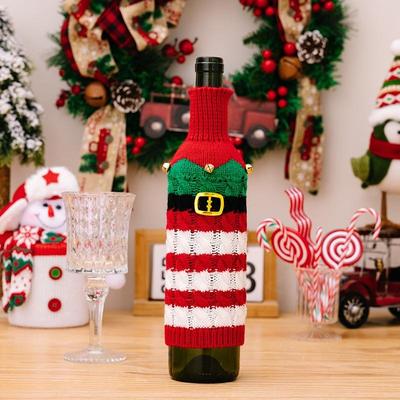
Inspired Deals Festive Knitted Christmas Wine Bottle Cover For Holiday Table Decor And Wine Gifts elvesBring instant warmth and personality to your holiday table with a charming knitted wine bottle cover that turns an ordinary bottle into festive dcor. Designed for Christmas entertaining, gifting, restaurants, hotels, and home celebrations, its cozy...32,97 $*Shipping: 0,00 $Secure redirect to the provider
-
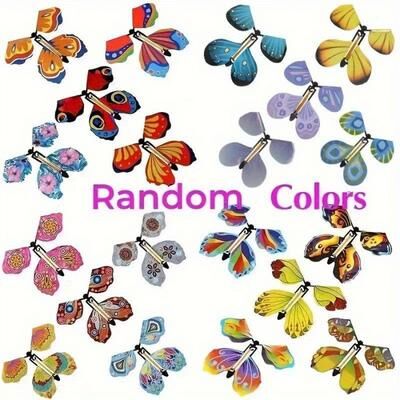
DynamicDeals Magic Flying Butterfly Bookmark Surprise Toy For Cards, Gifts & Party Favors 5pcs Random ColorTurn ordinary moments into unforgettable surprises with this charming flying butterfly toy that bursts into motion the moment a book or card is opened. Designed as a playful butterfly bookmark, it combines fun, creativity, and a touch of magic in...29,97 $*Shipping: 0,00 $Secure redirect to the provider
-
Uplift Picks Realistic Spider Surprise Box For Halloween Pranks Parties And Gag Gifts Realistic Spider Surprise Box For Halloween Pranks Parties And Gag GiftsTurn a curious moment into instant laughter with this spider prank box. Slide the wooden lid open and a lifelike spider suddenly moves toward the user, creating a harmless jump scare without batteries. This compact wooden prank toy is made for prank...49,99 $*Shipping: 0,00 $Secure redirect to the provider
-
Perfect Picks Market Potato Chip Snake Magic Trick Toy Gag Gift & Party Prank Surprise Potato Chip Snake Magic Trick Toy Gag Gift & Party Prank SurpriseSurprise and delight your friends with the ultimate prank! The Potato Chip Snake Magic Trick Toy pops out of a simple can, instantly transforming an ordinary moment into a hilarious, spooky, or jawdropping experience. Perfect for pranksters, party...31,97 $*Shipping: 0,00 $Secure redirect to the provider
-
How is the IUPAC name determined?
The IUPAC name of a compound is determined by following a set of rules established by the International Union of Pure and Applied Chemistry (IUPAC). These rules consider the structure and composition of the compound, and prioritize certain functional groups and substituents to determine the root name of the compound. The name is then modified with prefixes, suffixes, and numerical locants to indicate the specific arrangement and bonding of atoms within the compound. The goal of the IUPAC naming system is to provide a standardized and systematic way of naming chemical compounds to ensure clarity and consistency in communication within the scientific community. **
-
Do you know the IUPAC name?
Yes, IUPAC (International Union of Pure and Applied Chemistry) names are systematic names given to chemical compounds based on a set of rules established by the IUPAC. These names are used to uniquely identify and describe the structure of a compound, regardless of language or region. IUPAC names are important in the field of chemistry as they provide a standardized way to communicate about chemical compounds. **
-
What are the following IUPAC nomenclatures?
1. IUPAC nomenclature for organic compounds: This is a set of rules and guidelines used to name organic compounds systematically, based on the structure and composition of the molecule. It ensures that each compound has a unique and unambiguous name, making it easier to communicate and study. 2. IUPAC nomenclature for inorganic compounds: Similar to organic compounds, this system provides a systematic way to name inorganic compounds based on their composition and structure. It helps to distinguish between different compounds and allows for easier communication and study of inorganic chemistry. 3. IUPAC nomenclature for coordination compounds: This system is used to name coordination compounds, which consist of a central metal ion bonded to ligands. The naming is based on the type and number of ligands, as well as the oxidation state of the metal ion, ensuring a clear and consistent naming system for these complex compounds. **
-
What is the IUPAC name of perchlorate?
The IUPAC name of perchlorate is tetrachloratooxidane. **
Similar search terms for IUPAC
-
Inspired Finds Snake Surprise Gag Toy Pop Out Prank Can (Magic Trick Party Joke) Snake Surprise Gag Toy Pop Out Prank Can (Magic Trick Party Joke)Bring instant laughs and unexpected reactions to any event with this classic popout snake toy that hides a springloaded surprise inside what looks like a regular potato chip can. When someone opens the lid, the magic snake prank toy leaps out,...36,99 $*Shipping: 0,00 $Secure redirect to the provider
-
Inspired Finds Classic Santa Claus Christmas Canvas Wall Art Festive Holiday Poster Decor 15.75x19.69in magic Snow GlobeCreate a warm and nostalgic holiday atmosphere with this Christmas canvas wall art that captures the magic of the season. Featuring timeless imagery of Santa Claus and festive elements, this Santa Claus wall decor brings charm, joy, and tradition...43,99 $*Shipping: 0,00 $Secure redirect to the provider
-
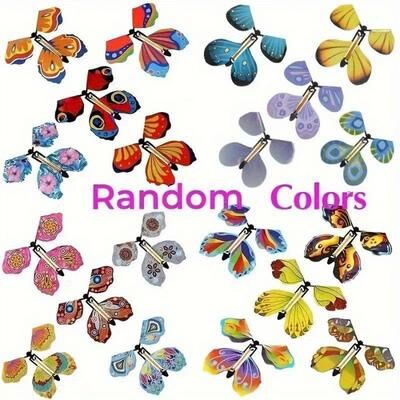
DynamicDeals Magic Flying Butterfly Bookmark Surprise Toy For Cards, Gifts & Party Favors 15pcs Random ColorTurn ordinary moments into unforgettable surprises with this charming flying butterfly toy that bursts into motion the moment a book or card is opened. Designed as a playful butterfly bookmark, it combines fun, creativity, and a touch of magic in...34,97 $*Shipping: 0,00 $Secure redirect to the provider
-
What is the IUPAC name for this halogenalkane?
The IUPAC name for the given halogenalkane is 1-chloro-3-methylbutane. This name is derived from the longest carbon chain in the molecule, which contains four carbon atoms. The chlorine atom is located on the first carbon of the chain, and there is a methyl group attached to the third carbon. Therefore, the complete IUPAC name for this compound is 1-chloro-3-methylbutane. **
-
How are compounds named according to IUPAC rules?
Compounds are named according to IUPAC (International Union of Pure and Applied Chemistry) rules by identifying the longest carbon chain in the molecule and determining the functional groups present. The name begins with the prefix indicating the number of carbon atoms in the longest chain, followed by the root of the name indicating the type of carbon-carbon bond present. Then, the functional groups are named and assigned a position number based on their location on the carbon chain. Finally, any substituent groups are named and assigned a position number, and the names are all combined in a specific order to form the complete IUPAC name of the compound. **
-
Are there different versions of the IUPAC nomenclature?
Yes, there are different versions of the IUPAC nomenclature. The IUPAC regularly updates and revises its nomenclature rules to reflect new discoveries and developments in chemistry. These updates ensure that the nomenclature remains consistent and accurate across different areas of chemistry. Additionally, there may be specific nomenclature guidelines for different types of compounds, such as organic compounds, inorganic compounds, and polymers. **
-
What is the IUPAC name for citric acid?
The IUPAC name for citric acid is 2-hydroxypropane-1,2,3-tricarboxylic acid. This name reflects the chemical structure of citric acid, which contains three carboxylic acid groups and a hydroxyl group. The IUPAC name is used to systematically name organic compounds based on their chemical structure, providing a standardized way to identify and communicate about different molecules. **
* All prices are inclusive of VAT and, if applicable, plus shipping costs. The offer information is based on the details provided by the respective shop and is updated through automated processes. Real-time updates do not occur, so deviations can occur in individual cases. ** Note: Parts of this content were created by AI.